
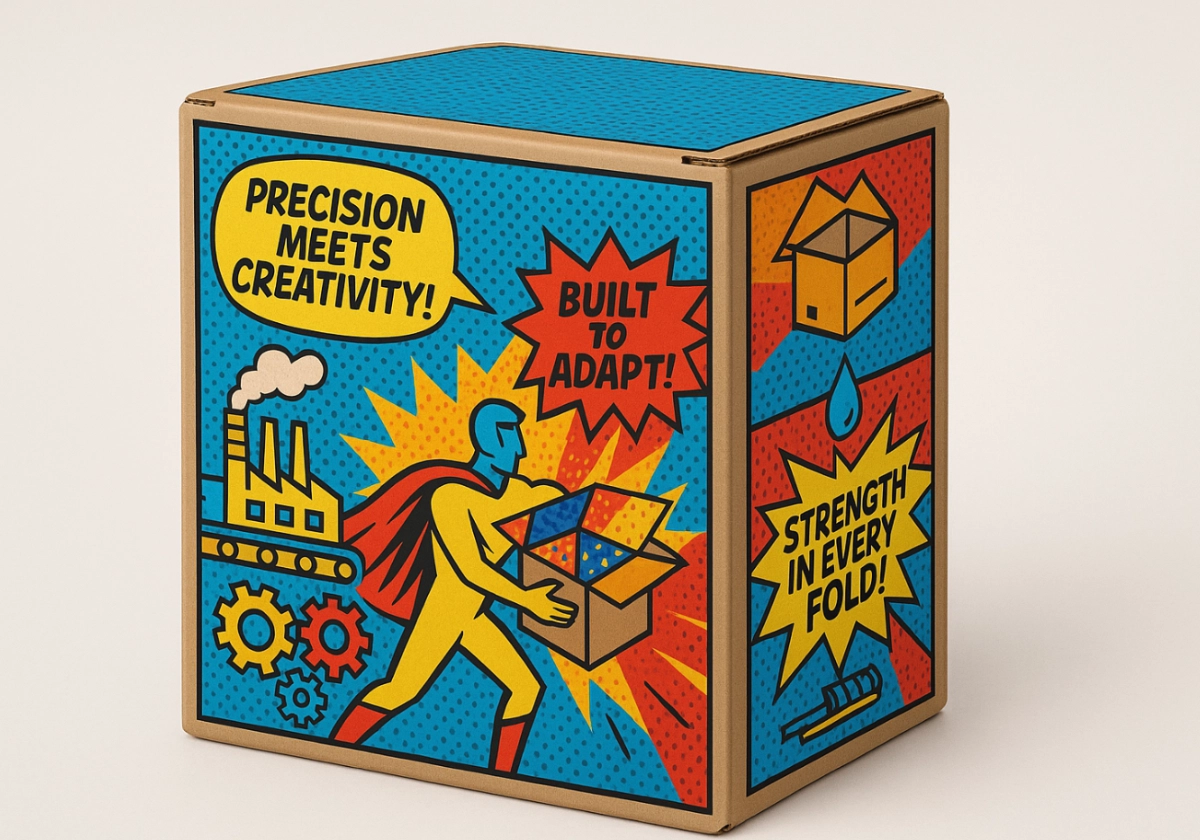
In today’s global economy, packaging is no longer a secondary concern—it is a strategic factor that directly impacts costs, efficiency, and customer satisfaction. Corrugated packaging, in particular, has become a cornerstone of supply chains across industries. As markets demand faster, more sustainable, and more reliable solutions, several key trends are shaping the future of corrugated packaging.
1. Sustainability as a Standard, Not a Trend
Sustainability has moved from being a differentiator to a requirement. Companies are under increasing pressure from regulators and consumers to reduce waste, use recyclable materials, and lower carbon footprints. Corrugated packaging, with its recyclability and adaptability, is playing a central role in meeting these expectations.
2. Right-Sizing for E-commerce Efficiency
The growth of e-commerce has pushed packaging innovation toward efficiency. Right-sized corrugated packaging helps reduce empty space in shipping, lowering costs and environmental impact. It also improves the customer experience by minimizing excess materials.
3. Lightweight but Strong Structures
Global supply chains require packaging that balances strength with cost efficiency. Advances in corrugated engineering are making boxes lighter without compromising durability, reducing both transportation costs and emissions.
4. Digital Printing and Customization
Packaging is no longer just about protection; it is also about communication. Digital printing on corrugated packaging enables brands to personalize and differentiate their products quickly. This trend is especially powerful in industries where branding and sustainability converge.
5. Compliance and Global Standards
With more products crossing borders, compliance with international packaging regulations has become essential. Corrugated packaging that meets export standards ensures smoother logistics, fewer delays, and stronger trust with international partners.
Conclusion:
Corrugated packaging is evolving from a simple container into a strategic supply chain asset. By embracing sustainability, efficiency, customization, and compliance, businesses can strengthen their operations and reduce risks. The future belongs to companies that see packaging not as a cost, but as an opportunity to innovate and add value across their entire supply chain.
By Daniel Carter, Packaging Industry Analyst
No responses yet